How to Deschool After Leaving Public School: A Complete Guide
By Nick & Amanda | Updated September 2026
You’ve made the decision. You’ve withdrawn your child from public school. You’re ready to start homeschooling.
Starting mid-year? Read our complete guide first: How to Start Homeschooling Mid-Year →
And then everyone tells you the same thing: deschool first.
But what does that actually mean? How long does it take? What do you do during deschooling? And how do you know when it’s over?
After 13 years in the homeschool community — and having walked alongside dozens of families through this transition — here’s everything you need to know about deschooling.
Deschooling After Public School — Quick Reference:
| Feature | Details |
|---|---|
| What it is | Intentional decompression between leaving school and starting homeschool |
| How long | 1 month per year in traditional school — guideline not rule |
| Who needs it | Both child AND parent — equally important |
| What it looks like | Unstructured time, child-led exploration, read-alouds, living life |
| Biggest mistake | Starting curriculum too soon — within weeks of withdrawal |
| Signs it’s complete | Genuine curiosity returning — asking questions — pursuing interests |
| Screen time | Relax restrictions during deschooling — autonomy is the goal |
| High schoolers | Modified deschooling — decompress while maintaining some engagement |
| Our experience | ✅ 13 years — walked many families through this transition |
| Next step | How to Choose a Homeschool Style — when deschooling is complete |
What is Deschooling?
Deschooling is the period of intentional decompression between leaving traditional school and beginning formal homeschool instruction. The term was coined by educator Ivan Illich in his 1971 book Deschooling Society — but in the homeschool community it has come to mean something very practical and specific.
When a child leaves traditional school they carry with them years of conditioning about what learning looks like — sitting at a desk, following a schedule, working through assignments, seeking teacher approval, performing for grades. That conditioning doesn’t disappear the moment you withdraw them from school.
Deschooling is the process of letting that conditioning fade — allowing your child to rediscover their natural curiosity and love of learning before you introduce a new structured educational approach.
Why Deschooling Matters
Families who skip deschooling and immediately recreate school at home often struggle. Here’s why:
Your child needs to recover. Many children who leave traditional school — especially those who struggled — carry real wounds. Academic shame, anxiety about performance, fear of failure, or simply exhaustion from years of institutional education. Those wounds need time to heal before new learning can take root.
You need to recover too. Parents who move straight from public school withdrawal to formal homeschooling often burn out quickly because they’re trying to replicate a system they just left. Deschooling gives you time to observe your child, research your options, and develop a genuine philosophy before committing to a curriculum and approach.
Already homeschooling and feeling burned out? Read our complete guide: Homeschool Burnout — How to Recover and Keep Going →
Natural curiosity needs to reawaken. Children are born curious. Traditional schooling — with its external rewards, grades, and performance pressure — often suppresses that natural curiosity over time. Deschooling creates the space for it to reawaken. And a child whose curiosity has reawakened is a dramatically more effective learner than one who is performing for external validation.
How Long Does Deschooling Take?
The most commonly cited guideline in the homeschool community is:
One month of deschooling for every year your child spent in traditional school.
A child who attended public school for 5 years needs approximately 5 months of deschooling. A child who attended for 3 years needs about 3 months.
This is a guideline — not a rule. Some children deschool faster. Others need longer. Watch your child rather than the calendar.
Signs your child may need more deschooling:
- Still anxious or resistant when academic topics come up
- Still defining themselves by school labels — “I’m bad at math”
- Still asking permission for normal activities
- Still waiting to be told what to do rather than following their own interests
- Still talking about school in negative terms
Signs deschooling is complete:
- Asking questions out of genuine curiosity
- Pursuing interests independently without prompting
- No longer anxious about learning
- Beginning to ask about starting school again
- Showing enthusiasm about topics they want to explore
What Deschooling Looks Like in Practice
Deschooling does not mean doing nothing. It means doing differently — following your child’s lead rather than an external schedule or curriculum.
What deschooling typically includes:
Lots of unstructured time Free play. Outdoor time. Creative projects. Building things. Drawing. Making up games. Pursuing whatever your child naturally gravitates toward without direction or evaluation.
This feels deeply uncomfortable for many parents — especially parents who are academically oriented or who have been told their child is behind. Resist the urge to fill every moment with structured learning. The unstructured time is the work.
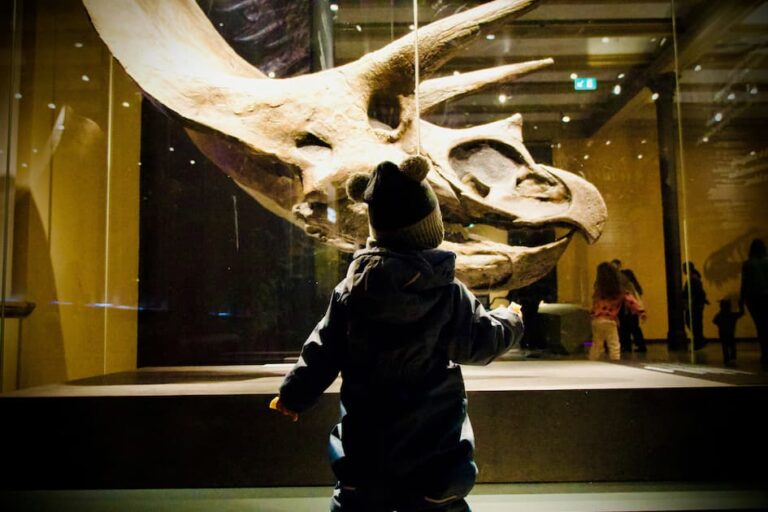
Child-led exploration Follow your child’s interests wherever they lead. If they’re obsessed with dinosaurs — get every dinosaur book from the library, watch documentaries, visit a natural history museum, draw dinosaurs, build dinosaurs out of clay. Don’t turn it into a unit study with worksheets and tests. Just follow the interest.
Reading aloud together Read good books aloud as a family — not as school but as pleasure. Curl up on the couch and read together. This rebuilds the association between books and enjoyment that institutional schooling often damages.
Living life together Cook together. Garden together. Go to the hardware store. Visit the library. Explore your community. Learn through living rather than through formal instruction.
Lots of sleep Many children who have been in traditional school are chronically sleep-deprived. Let them sleep. Rest is not laziness — it’s biological necessity and recovery.
Screen time — yes really Many deschooling advocates recommend relaxing screen time restrictions during deschooling. A child who chooses to spend time watching documentaries, playing educational games, or even just enjoying entertainment is practicing autonomy and self-direction — both essential for successful homeschooling.
Deschooling for Different Ages
Young children — K-2: Young children deschool quickly. Most children who leave school at this age adapt within weeks. The play-based, curiosity-driven approach of early childhood is still close to the surface. Simply provide a rich environment — books, art supplies, outdoor time, interesting experiences — and get out of the way.
Elementary — grades 3-5: Children at this age have absorbed more of the institutional mindset but are still naturally curious. Deschooling typically takes 2-4 months. Focus on outdoor time, creative projects, and child-led interests.
Middle school — grades 6-8: Middle schoolers often carry more academic wounds — particularly if they’ve experienced labeling, tracking, or social struggles in school. Deschooling may take 4-6 months. Peer relationships are important at this age — prioritize social connection and activities during deschooling.
High school: High school students present the most complex deschooling picture. Many are college-bound and feel anxiety about falling behind. The tension between needing genuine decompression and maintaining academic momentum is real.
Our recommendation for high schoolers: a modified deschooling approach. Give them space to decompress while maintaining some low-pressure academic engagement — reading, documentaries, interest-led projects. A full hands-off deschooling period may not be practical for juniors and seniors with college applications on the horizon.
Deschooling for Parents
Parent deschooling is just as important as child deschooling — and far less discussed.
Most parents who withdraw their children from school carry their own school conditioning. They believe education looks like textbooks and tests. They feel anxious when their child isn’t doing worksheets. They worry about falling behind grade level standards. They compare their homeschool to the school their child just left.
Signs you need to deschool:
- Feeling guilty when your child plays instead of studies
- Comparing your child to grade-level standards constantly
- Feeling the urge to buy curriculum immediately
- Recreating a school schedule at home
- Measuring your homeschool’s success by how much it resembles school
How to deschool as a parent:
Read widely about homeschooling philosophy. Books like John Holt’s How Children Learn, Sandra Dodd’s Big Book of Unschooling, and Susan Wise Bauer’s The Well-Trained Mind offer profoundly different visions of what education can look like. Reading them during deschooling expands your sense of what’s possible.
Want to understand unschooling more deeply before trying it? Read our complete guide: Unschooling — A Complete Guide →
Observe your child. Use the deschooling period to become a student of your child. What do they gravitate toward? What makes them lose track of time? What questions do they ask? What do they teach themselves? This observation is the foundation of effective personalized homeschooling.
Connect with the homeschool community. Find local homeschool families, join Facebook groups, attend curriculum fairs. Seeing what thriving homeschool families look like in practice is more persuasive than anything you can read.
Give yourself permission to not have it figured out yet. You don’t need a complete curriculum plan before deschooling is over. You need a direction and a willingness to adjust as you learn more about what works for your child.
Common Deschooling Mistakes
Starting curriculum too soon The most common mistake. A parent panics about falling behind after two weeks and purchases a complete curriculum. The child is still in recovery mode. School-at-home begins. Resistance, tears, and frustration follow.
If your child continues to resist learning after a full deschooling period read our complete guide: How to Homeschool a Reluctant Learner →
Give the deschooling period its full time. The investment pays back dramatically in reduced resistance when formal learning begins.
Treating deschooling as vacation Deschooling is not a vacation — it’s active recovery and observation. The difference is subtle but important. A vacation implies you’ll return to the same thing afterward. Deschooling is a transition to something genuinely different.
Skipping parent deschooling Many parents deschool their children while continuing to operate from a school mindset themselves. The result is a child who has decompressed but is immediately re-pressured by a parent who can’t relax the schoolishness.
Isolating during deschooling Some families withdraw from all social activities during deschooling — partly from embarrassment about not “doing school” yet. This is counterproductive. Social connection is one of the most healing parts of deschooling. Stay connected to your community.
When You’re Ready to Begin Homeschooling
After deschooling — however long it takes — you’ll notice a shift. Your child starts asking questions again. Pursuing interests independently. Showing enthusiasm about learning. Maybe even asking when school is going to start.
That’s your signal.
When you’re ready to begin formal homeschooling read our complete guides:
- How to Choose a Homeschool Style — find the educational philosophy that fits your family
- Best Homeschool Curriculum for Beginners — what to buy and what to skip your first year
- How to Create a Homeschool Schedule — build a schedule that works for your family
And head to our Start Here page for everything you need to launch your homeschool with confidence.
Planning Your Homeschool Year?
The Boldly Educated Homeschool Planner 2026-2027 is designed for families just like yours — 12 monthly calendars, weekly lesson plan templates, attendance tracking, grade recording, and a complete high school planning section. 58 pages, instant PDF download.
Frequently Asked Questions About Deschooling
Do I have to deschool if my child loved school?
Children who loved school and left voluntarily — or who are starting homeschool from scratch without prior school experience — need less intentional deschooling than children who left under difficult circumstances. However even children who loved school carry institutional conditioning — waiting to be told what to do, seeking external validation, defining learning as something that happens at a desk with a teacher. A shorter informal deschooling period — 2-4 weeks of relaxed living before beginning formal instruction — is beneficial for most new homeschoolers regardless of their prior school experience.
What if I can’t afford to wait months before starting formal school?
The deschooling guideline assumes you’re not doing any formal academics during that period. However many families do a modified deschooling — reading aloud daily, informal math through cooking and life, nature observation and journaling — that is low-pressure enough to allow decompression while maintaining some educational engagement. If your state requires documentation of educational activity from day one a light touch during deschooling satisfies that requirement without undermining the recovery process.
How do I explain deschooling to skeptical family members?
Keep it simple and confident. “We’re taking a few weeks to transition and observe before we decide on our curriculum approach” is true and completely defensible. You don’t need to explain the full philosophy of deschooling to a skeptical grandparent — you just need a calm, confident answer that doesn’t invite debate. If pressed: “Research shows that children learn more effectively when they’re given time to decompress after leaving institutional school. We’re doing this deliberately.”
My child says they’re bored during deschooling — is that normal?
Yes — and it’s actually a sign the process is working. Children who have been in institutional school have had every moment structured for them. When that structure disappears boredom is the first response — because their self-direction muscle hasn’t been used in years. Boredom during deschooling is the precursor to genuine self-directed interest. Resist the urge to fill the boredom with structured activities. Let them sit with it. Interest and curiosity will follow — usually within days to weeks.
A Final Word
Deschooling requires courage — especially for parents who are academically oriented or anxious about falling behind. Watching your child play for weeks or months while other children sit in classrooms feels wrong.
It isn’t wrong. It’s right.
The children who deschool fully — who are given the time and space to recover, reconnect with their curiosity, and rediscover the joy of learning — almost universally become enthusiastic, self-directed learners.
Trust the process. The season of decompression is not wasted time. It’s the foundation everything else is built on.