Homeschool Co-op Ideas: Activities, Classes, and Projects for Your Group
By Nick & Amanda | Updated September 2026
A homeschool co-op is only as good as what happens when families gather together. The best co-ops offer a mix of academic instruction, hands-on projects, creative activities, and community experiences that individual families simply can’t replicate at home.
After 13 years of co-op participation — and watching dozens of co-ops thrive and struggle — here’s our complete guide to homeschool co-op ideas across every category.
Read our complete guide to finding a co-op first: How to Find a Homeschool Co-op
Homeschool Co-op Ideas — Quick Reference:
| Category | Best Ideas |
|---|---|
| Academic | Writing workshop, literature circle, debate club, lab science |
| Fine Arts | Choir, drama production, art class, music theory |
| STEM | Robotics, engineering challenges, coding club, science fair |
| Maker | Woodworking, sewing, bookbinding, culinary projects |
| Community Service | Food bank, nursing home visits, park cleanup |
| Field Trips | Museums, nature preserves, career exploration, historic sites |
| Seasonal | Fall harvest, holiday celebration, spring garden planting |
| Special Events | Drama production, science fair, art show, graduation ceremony |
| Best for beginners | Morning basket together + 2 classes + lunch |
| Most impactful | Drama production — builds confidence, community, memory |
How to Structure Your Co-op
Before diving into specific activity ideas let’s talk about structure — because the right structure makes everything else work better.
Meeting frequency: Most co-ops meet weekly or biweekly. Weekly meetings build stronger community and more consistent learning. Biweekly meetings are more manageable for busy families.
Session length: 2-4 hours is the sweet spot for most co-ops. Long enough to accomplish meaningful work — short enough to avoid exhaustion.
Age grouping:
- All ages together — works for morning basket, read-alouds, field trips, and community activities
- Age-grouped classes — works for academic instruction and skill-based activities
- Multi-age small groups — works for projects, discussions, and collaborative learning
Parent participation model: Most co-ops use one of these models:
- Every parent teaches — each family contributes one class or activity per semester
- Rotating teaching — families take turns leading activities
- Hired instructors — co-op pools resources to hire outside teachers for specific subjects
- Hybrid — some parents teach, some hire outside instructors for specialized subjects
Academic Class Ideas
Language Arts:
- Writing workshop — structured writing instruction using IEW or similar
- Literature circle — shared reading and discussion of great books
- Poetry study — reading, memorizing, and writing poetry
- Public speaking — formal speech practice and evaluation
- Debate club — formal debate instruction and competitions
- Grammar study — Fix It Grammar or First Language Lessons
- Journalism — writing and publishing a co-op newsletter or blog
Mathematics:
- Math olympiad — competition math preparation
- Life skills math — budgeting, taxes, consumer math
- Statistics and data analysis — practical applied mathematics
- Math games and puzzles — engaging math enrichment
Science:
- Lab science — biology, chemistry, or physics labs requiring equipment beyond what individual families have
- Nature study — outdoor observation and nature journaling
- Science fair preparation and competition
- Dissection labs — frog, worm, owl pellet
- Astronomy club — stargazing sessions and telescope use
- Environmental science — local ecosystem study and conservation projects
History and Social Studies:
- History presentations — students present on assigned historical topics
- Living history — students dress as and present from the perspective of historical figures
- Geography bee preparation
- Current events discussion — age-appropriate news analysis
- Mock government — simulated legislative sessions, elections, and debates
- Model United Nations — for older students
Foreign Language:
- Conversational Spanish, French, or Mandarin — native speaker instruction
- Latin study — classical Latin for classical homeschoolers
- Sign language — American Sign Language instruction
Logic and Critical Thinking:
- Formal logic — Art of Argument or Memoria Press Logic
- Philosophy for children — age-appropriate philosophical discussion
- Critical thinking puzzles and games
- Chess club — strategy and analytical thinking
Fine Arts Ideas
Visual Art:
- Drawing fundamentals — line, shape, value, form, space
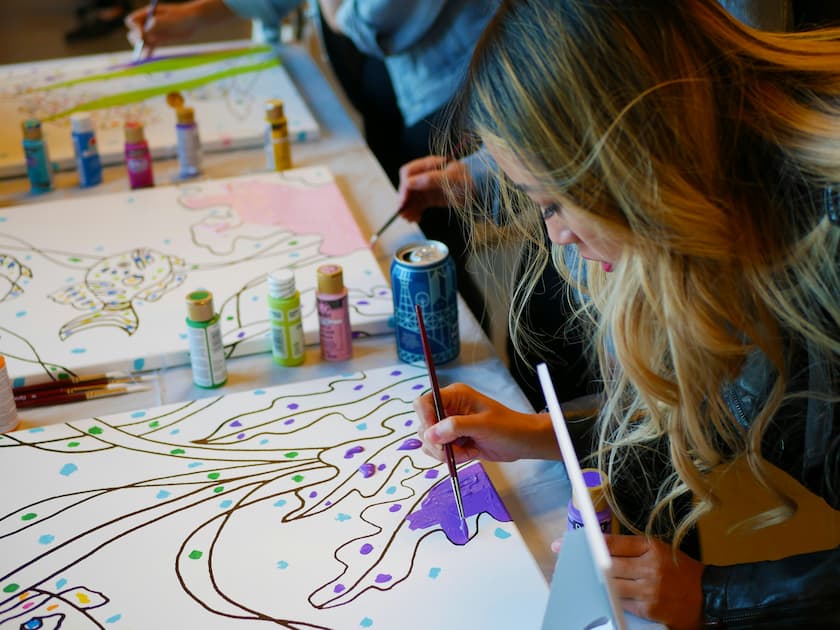
- Watercolor painting
- Acrylic painting
- Ceramics and sculpture
- Printmaking — linocut, screen printing
- Art history study — artist and artwork of the month
- Portfolio development for high school students
- Collaborative mural project
Music:
- Choir — group singing instruction and performance
- Music theory — reading music, intervals, scales, chords
- Composer study — listening and discussing great composers
- Recorder or ukulele — accessible group instruments
- Handbell choir
- Music appreciation — listening journals and discussion
Theater and Drama:
- Readers theater — performing scripts without full staging
- Improv games — builds confidence and quick thinking
- Full production — script selection, rehearsal, costume, performance
- Shakespeare study and performance
- Puppet theater for younger children
- Storytelling — oral narrative performance
Dance and Movement:
- Folk dancing — American, Irish, English country dancing
- Square dancing
- Ballet or creative movement for younger children
- Historical dance — period-appropriate dance forms
Hands-On Project Ideas
STEM Projects:
- Robotics — building and programming robots
- Engineering challenges — bridge building, egg drop, tower construction
- Coding club — collaborative programming projects
- Electronics — basic circuit building and soldering
- Rube Goldberg machines — complex chain reaction devices
- 3D printing projects
- Rocket building and launching
- Trebuchet and catapult construction
Maker Projects:
- Woodworking — basic joinery and simple projects
- Sewing and textile arts — hand sewing, machine sewing, embroidery
- Knitting and crocheting
- Bookbinding — creating handmade books
- Leather working
- Candle and soap making
- Weaving and fiber arts
Culinary Projects:
- Cooking from different world cultures — connecting to history and geography units
- Bread baking — science of yeast and fermentation
- Preservation — canning, pickling, fermenting
- Kitchen chemistry — food science experiments
- Nutrition and meal planning
Gardening and Agriculture:
- Community garden — planting, tending, and harvesting
- Seed saving and plant propagation
- Composting and soil science
- Beekeeping — with appropriate instruction and equipment
- Raising chickens — if location permits
Literature and Book Club Ideas
A co-op book club is one of the most enriching activities for any age group.
For elementary students:
- Picture book read-alouds with discussion and art response
- Chapter book clubs — reading the same book and meeting to discuss
- Author study — reading multiple books by one author
- Fairy tale and folklore study across cultures
- Newbery Medal winners — reading and discussing award-winning literature
For middle school students:
- Classic literature discussion groups
- Historical fiction paired with history units
- Biography study — reading and presenting on significant figures
- Genre exploration — mystery, science fiction, historical fiction
- Socratic seminars — structured discussion of shared texts
For high school students:
- Great books seminar — Socratic discussion of classic literature
- Contemporary literature discussion
- Literary analysis workshop — developing analytical writing skills
- Poetry workshop — reading and writing poetry
- Film and literature comparison — reading a novel and watching its adaptation
Community Service Projects
Service projects build character, develop community awareness, and provide meaningful documentation for high school transcripts.
Local community service:
- Food bank sorting and packing
- Nursing home visits — reading aloud, music performance, crafts
- Animal shelter volunteering
- Park and trail cleanup
- Community garden participation
- Tutoring or mentoring younger children
- Meals on Wheels delivery assistance
Co-op service projects:
- Collecting and donating supplies — school supplies, hygiene items, food
- Fundraising for a chosen cause
- Writing letters to military personnel or nursing home residents
- Creating care packages for families in need
- Environmental stewardship projects — tree planting, habitat restoration
Field Trip Ideas
Group field trips are one of the best co-op activities — combining learning with community and often accessing group rates and special programs.
History and culture:
- History museums and historic sites
- Art museums and galleries
- Cultural festivals and events
- Government buildings — state capitol, courthouse, city hall
- Living history museums
Science and nature:
- Natural history museums
- Science centers and children’s museums
- Nature preserves and wildlife sanctuaries
- Botanical gardens and arboretums
- Planetariums and observatories
- Farms and agricultural operations
Career exploration:
- Local business tours — manufacturing, technology, healthcare
- Fire station and police station tours
- Hospital or veterinary clinic tours
- Newspaper or television station tours
- University campus visits
Read our complete guide: Homeschool Field Trip Ideas
Seasonal and Holiday Activities
Seasonal co-op activities build community and create memorable shared experiences.
Fall:
- Apple cider pressing
- Pumpkin carving and harvest celebration
- Fall nature study — leaf identification and collection
- Thanksgiving feast — each family bringing a dish
Winter:
- Christmas or holiday celebration — music, food, gift exchange
- Winter nature study — tracking animals in snow
- New Year reflection and goal setting
- Valentine’s Day card making for nursing home residents
Spring:
- Spring nature study — birds, flowers, insects
- Garden planting day
- Easter celebration
- End of year showcase — students present their best work from the year
Summer:
- Summer reading challenge — tracking books read over the break
- Outdoor adventure days — hiking, swimming, nature exploration
- Science camp days — intensive science projects
Special Events and Performances
Special events give co-op students opportunities to showcase their work and celebrate their community.
Performances:
- Drama production — full theatrical performance for families
- Music recital — students perform their instrument pieces
- Talent show — students share any talent or skill
- Poetry reading — students read memorized or original poetry
- Debate tournament — formal debate with outside judges
Academic showcases:
- Science fair — student projects presented and evaluated
- History fair — research projects on historical topics
- Art show — student artwork displayed for families and community
- Writing showcase — student writing read aloud or displayed
- Geography bee — competitive geography knowledge
Celebrations:
- End of year graduation ceremony — particularly meaningful for high school seniors
- Portfolio share — students present their year’s work to families
- Awards ceremony — recognizing academic, character, and community achievements
Co-op Structure Tips — What Makes Activities Work
After years of co-op participation here’s what separates activities that work from ones that fall flat:
Match activity to age: A dissection lab that thrills 10th graders will horrify 6-year-olds. Know your group and design activities accordingly.
Prepare thoroughly: The activities that work best are the ones where the parent leading has prepared thoroughly — materials ready, instructions clear, timing planned. Winging it in front of 15 children rarely goes well.
Keep it hands-on: The best co-op activities involve doing rather than watching. Children who are making, building, performing, and creating learn more and enjoy more than children who are listening to lectures.
Build in discussion: The most memorable co-op experiences typically include meaningful discussion — not just activity. A science experiment followed by discussion of what it demonstrated is far more educational than the experiment alone.
Document for transcripts: For high school students maintain records of co-op participation — class names, hours, skills developed, and any assessments. Co-op coursework can provide legitimate transcript entries.
Read our complete guide: How to Keep Homeschool Records
Starting Your Own Co-op
Can’t find a co-op that fits? Start one. It’s simpler than you think.
Start with:
- 3-5 families who share your values and educational approach
- A consistent meeting location — someone’s home, a church facility, a library meeting room
- A simple structure — morning basket together, two or three classes, lunch
- A shared commitment to show up consistently
The best co-ops in the country started with a handful of families around a kitchen table. Yours can too.
Head to our Start Here page for everything you need to homeschool with confidence.
And grab our free First Year Homeschool Checklist below — everything you need to get started in one simple download.